Blog
Can Blocked Fallopian Tubes Be Treated? A Complete Guide to Fertility Options

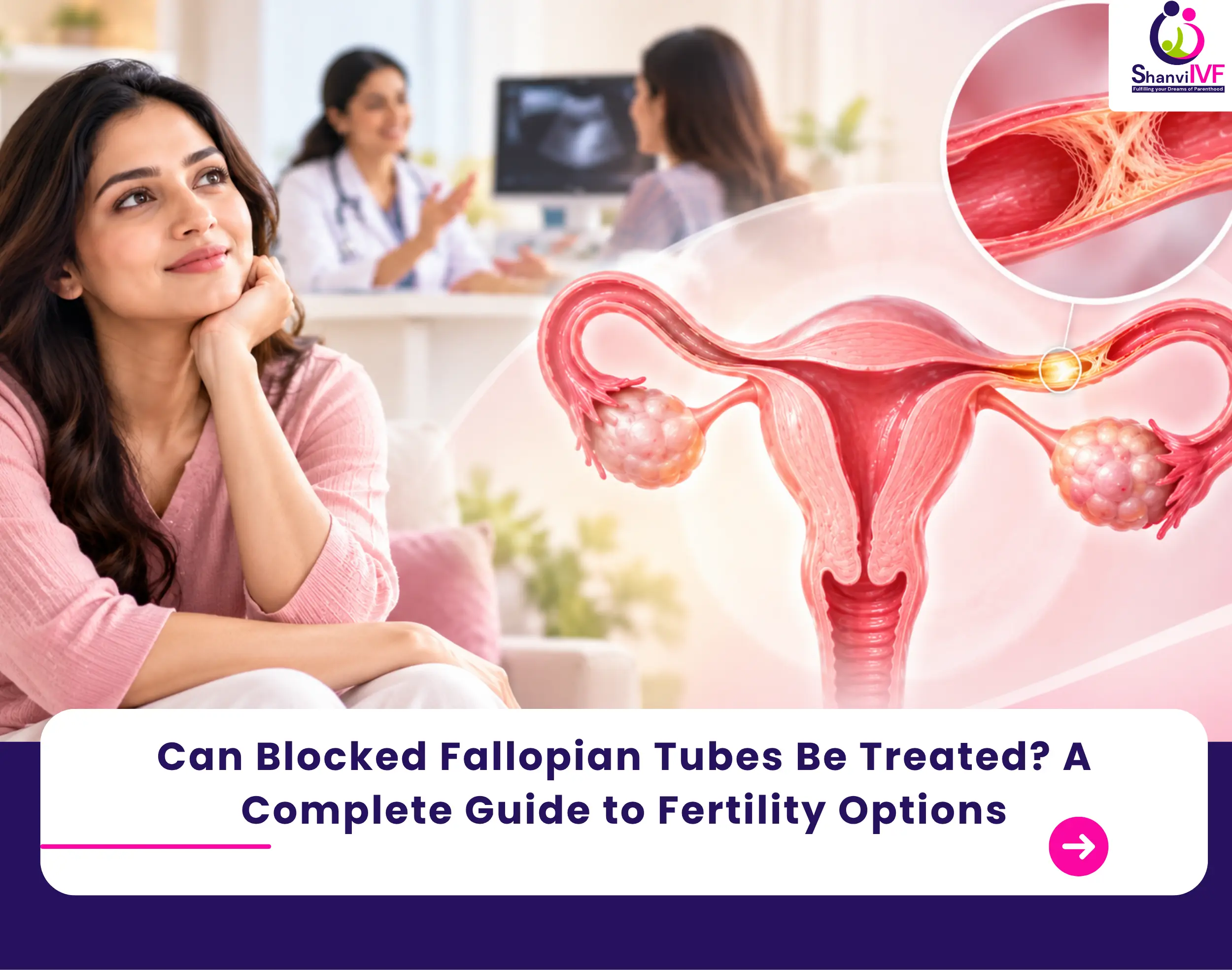
Blocked fallopian tubes are a common cause of female infertility. These tubes play an essential role in reproduction by allowing sperm to reach the egg and helping the fertilized egg travel toward the uterus. When one or both tubes become blocked, natural conception may become difficult. However, the condition does not always mean pregnancy is impossible.
The right treatment depends on the location and severity of the blockage, the woman’s age, overall reproductive health, and whether one or both tubes are affected. Options may include minimally invasive procedures, surgery, or assisted reproductive techniques such as in vitro fertilization (IVF). Understanding these options can help couples make informed decisions about their fertility journey.
What Are Blocked Fallopian Tubes?
Fallopian tubes are narrow passages connecting the ovaries to the uterus. During ovulation, an egg is released from an ovary and enters a fallopian tube. Fertilization usually takes place inside the tube before the developing embryo travels to the uterus.
When a tube is blocked or damaged, sperm may not reach the egg, or the fertilized egg may have difficulty moving toward the uterus. A blockage in one tube may still allow natural pregnancy if the other tube is healthy and functioning. When both tubes are completely blocked, natural conception becomes much more difficult.
What Causes Fallopian Tube Blockage?
Several conditions can damage or obstruct the fallopian tubes. Identifying the underlying cause helps a fertility specialist determine the most appropriate treatment.
Pelvic inflammatory disease (PID): Infections affecting the reproductive organs can cause inflammation and scarring inside the fallopian tubes. Some sexually transmitted infections may lead to this condition if left untreated.
Endometriosis: This condition occurs when tissue similar to the uterine lining grows outside the uterus. It can cause inflammation, adhesions, and changes around the tubes and ovaries.
Previous abdominal or pelvic surgery: Surgical procedures may sometimes lead to scar tissue that affects the normal position or function of the fallopian tubes.
Previous ectopic pregnancy: A pregnancy that develops outside the uterus, particularly inside a fallopian tube, can damage the tube and affect future fertility.
Hydrosalpinx: This occurs when a fallopian tube becomes blocked and fills with fluid. It can reduce fertility and may negatively affect IVF outcomes if not addressed before embryo transfer.
Some women have no obvious symptoms and discover a blockage only when they undergo fertility testing.
What Are the Symptoms of Blocked Fallopian Tubes?
Blocked fallopian tubes often do not cause noticeable symptoms. Many women continue to have regular menstrual periods even when one or both tubes are blocked.
Possible signs associated with the underlying condition include:
- Difficulty becoming pregnant despite regular attempts.
- Pelvic pain, particularly when endometriosis or an infection is present.
- Painful menstrual periods.
- Unusual vaginal discharge or pelvic discomfort associated with infection.
- Persistent lower abdominal pain in some cases.
These symptoms do not confirm a tubal blockage. A medical evaluation is necessary to identify the cause and rule out other reproductive health conditions.
How Are Blocked Fallopian Tubes Diagnosed?
A fertility specialist may recommend one or more investigations to determine whether the fallopian tubes are open and functioning appropriately.
Hysterosalpingography (HSG): This is an X-ray procedure in which contrast dye is introduced through the cervix into the uterus. The images help show the shape of the uterine cavity and whether dye passes through the fallopian tubes.
HyCoSy: Hysterosalpingo-contrast sonography uses ultrasound and contrast fluid to assess whether the fallopian tubes are open. It is an alternative to HSG in suitable cases.
Laparoscopy with dye testing: This minimally invasive procedure allows a doctor to examine the pelvic organs directly and assess tubal patency using dye. It may be recommended when there is a specific clinical reason, such as suspected endometriosis or pelvic adhesions.
A result suggesting blockage near the uterus may sometimes be caused by temporary tubal muscle contractions or technical factors. Additional assessment may therefore be needed before deciding on treatment.
Can Blocked Fallopian Tubes Be Treated?
Yes, blocked fallopian tubes can sometimes be treated, but the success of treatment depends on the type and severity of the blockage. Mild obstruction may be suitable for a procedure to restore tubal patency, while extensive scarring or severe tubal damage may make surgery less effective.
The two main approaches are procedures intended to restore the function of the tubes and fertility treatments that allow conception without relying on open fallopian tubes.
1. Fallopian Tube Recanalization
When the blockage is located near the uterus, a specialist may recommend a procedure called tubal cannulation or recanalization. A thin catheter or guidewire is passed through the cervix and uterus to help open the affected section of the tube.
This procedure may be suitable for selected women with proximal tubal blockage. It is not appropriate for every type of obstruction, and success depends on the cause of the blockage and the condition of the tube.
2. Laparoscopic Surgery
Laparoscopic surgery may be considered when scar tissue, adhesions, or certain types of tubal damage are affecting fertility. Using small incisions and a camera, a surgeon can examine the pelvic area and, where appropriate, remove adhesions or repair parts of the fallopian tubes.
Surgery may be more suitable for younger women with mild-to-moderate tubal damage and otherwise favorable fertility factors. Severe damage may not be repairable, and surgery can increase the risk of an ectopic pregnancy. A specialist should explain the expected benefits and risks before treatment.
3. IVF Treatment
In vitro fertilization (IVF) is an important fertility option when both fallopian tubes are blocked or severely damaged. Unlike natural conception, IVF does not require the egg and sperm to meet inside a fallopian tube.
During IVF, eggs are collected from the ovaries and fertilized with sperm in a laboratory. The resulting embryo is then transferred into the uterus.
IVF may be recommended when tubal surgery is unlikely to succeed, when there are additional fertility concerns, or when a couple wants to avoid delays associated with less suitable treatments. The choice depends on age, ovarian reserve, sperm health, previous fertility history, and other clinical factors.
Can You Get Pregnant Naturally With Blocked Fallopian Tubes?
Natural pregnancy may still be possible if only one fallopian tube is blocked and the other tube is healthy. However, the chances depend on the condition of the open tube, ovulation, sperm health, and other reproductive factors.
If both tubes are completely blocked, natural conception is generally not possible without successful treatment to restore tubal function. IVF may provide an alternative because fertilization occurs outside the body.
Women who have been diagnosed with tubal blockage should seek individualized fertility advice rather than assuming that pregnancy is impossible. A complete assessment can help identify the most suitable next step.
What If Both Fallopian Tubes Are Blocked?
When both fallopian tubes are blocked, the treatment plan depends on the location and severity of the obstruction. A specialist may consider whether the tubes can be safely repaired or whether IVF offers a more appropriate route to pregnancy.
If hydrosalpinx is present, the doctor may recommend treating the affected tube before IVF. Depending on the situation, this may involve removing the damaged tube or surgically blocking it to prevent fluid from entering the uterus.
Women considering fertility treatment should also discuss sperm health and other possible causes of infertility. A comprehensive evaluation of both partners can help avoid overlooking additional factors that may affect pregnancy.
Can Embryo Freezing Help When Fallopian Tubes Are Blocked?
Embryo freezing does not open blocked fallopian tubes, but it can be part of a fertility plan for couples undergoing IVF. After eggs are fertilized in the laboratory, suitable embryos can be frozen for possible use in a future treatment cycle.
For example, a couple may choose to preserve embryos if they want to plan a later pregnancy, need additional medical treatment, or have embryos remaining after an IVF cycle. The decision depends on their medical circumstances and reproductive goals.
Couples exploring these options may consult an embryo freezing centre in Agra to understand how embryo cryopreservation works, when it may be recommended, and what factors influence the use of frozen embryos in a future transfer.
Why Should Both Partners Undergo Fertility Evaluation?
Difficulty conceiving may result from female factors, male factors, or a combination of both. Although blocked fallopian tubes can affect the female partner’s fertility, assessing only the tubes may not provide a complete picture.
A fertility evaluation may include reviewing menstrual history, assessing ovulation, examining the uterus and fallopian tubes, and performing semen analysis. If testing identifies a male fertility concern, appropriate treatment can be discussed alongside options for tubal disease.
Couples experiencing fertility challenges may consider male infertility treatment in Agra as part of a comprehensive evaluation when sperm-related factors are suspected. Assessing both partners helps the specialist recommend a treatment plan based on the couple’s needs rather than a single test result.
When Should You Consult a Fertility Specialist?
Consider a fertility consultation if you have been diagnosed with blocked fallopian tubes, have a history of pelvic infection or ectopic pregnancy, or have been trying to conceive without success. Women aged 35 and older are generally advised to seek evaluation after six months of trying, while those younger than 35 are usually advised to seek assessment after 12 months. Earlier evaluation is appropriate when a known fertility concern is present.
Prompt medical attention is also important if you experience severe pelvic pain, fever, or unusual vaginal discharge. If you have a positive pregnancy test and develop one-sided abdominal pain, shoulder-tip pain, dizziness, or heavy bleeding, seek urgent medical care because these can be warning signs of an ectopic pregnancy.
Frequently Asked Questions
1. Can blocked fallopian tubes be opened without surgery?
In selected cases, proximal tubal blockage can be treated using tubal cannulation, a procedure that does not require conventional surgery. Other types of blockage may require surgery or IVF, depending on the cause and severity.
2. Can I get pregnant if only one fallopian tube is blocked?
Yes, natural pregnancy may be possible if the other tube is healthy and functioning. The likelihood also depends on ovulation, sperm health, age, and other fertility factors.
3. Is IVF necessary when both fallopian tubes are blocked?
IVF is often recommended when both tubes are completely blocked or severely damaged because it bypasses the need for fertilization inside the tubes. In selected cases, surgery may be considered if the blockage is treatable.
4. Can medicines remove a fallopian tube blockage?
Medicines cannot reliably remove established scar tissue or reverse structural damage inside a fallopian tube. Antibiotics may be prescribed to treat an active bacterial infection, but existing damage may require a procedure or fertility treatment.
5. Does blocked fallopian tube treatment guarantee pregnancy?
No. Even if a procedure successfully opens a tube, pregnancy depends on several factors, including the tube’s ability to function normally, age, egg quality, ovulation, and sperm health. A successful procedure does not guarantee conception.
6. Can blocked fallopian tubes cause irregular periods?
Blocked fallopian tubes usually do not directly affect menstrual regularity because they do not control hormone production. Irregular periods may indicate another condition that should be evaluated during a fertility assessment.
7. Is IVF safe for women with blocked fallopian tubes?
IVF is an established fertility treatment, but it carries potential risks, including ovarian hyperstimulation, multiple pregnancy depending on embryo transfer choices, and ectopic pregnancy. A specialist can explain the risks and precautions relevant to each patient.
8. Should hydrosalpinx be treated before IVF?
Treatment is often recommended when hydrosalpinx is present because fluid from the affected tube can reduce the chance of successful implantation. The appropriate approach may involve removing the affected tube or blocking it before IVF, depending on the individual case.
Conclusion
Blocked fallopian tubes can affect natural conception, but several fertility options are available. Depending on the location and severity of the blockage, treatment may involve tubal recanalization, laparoscopic surgery, or IVF. The most appropriate approach depends on a couple’s overall reproductive health, age, and pregnancy goals.
A timely fertility evaluation can help identify the cause of the blockage and clarify the available options. With an individualized treatment plan, couples can make informed decisions about their next steps toward parenthood.