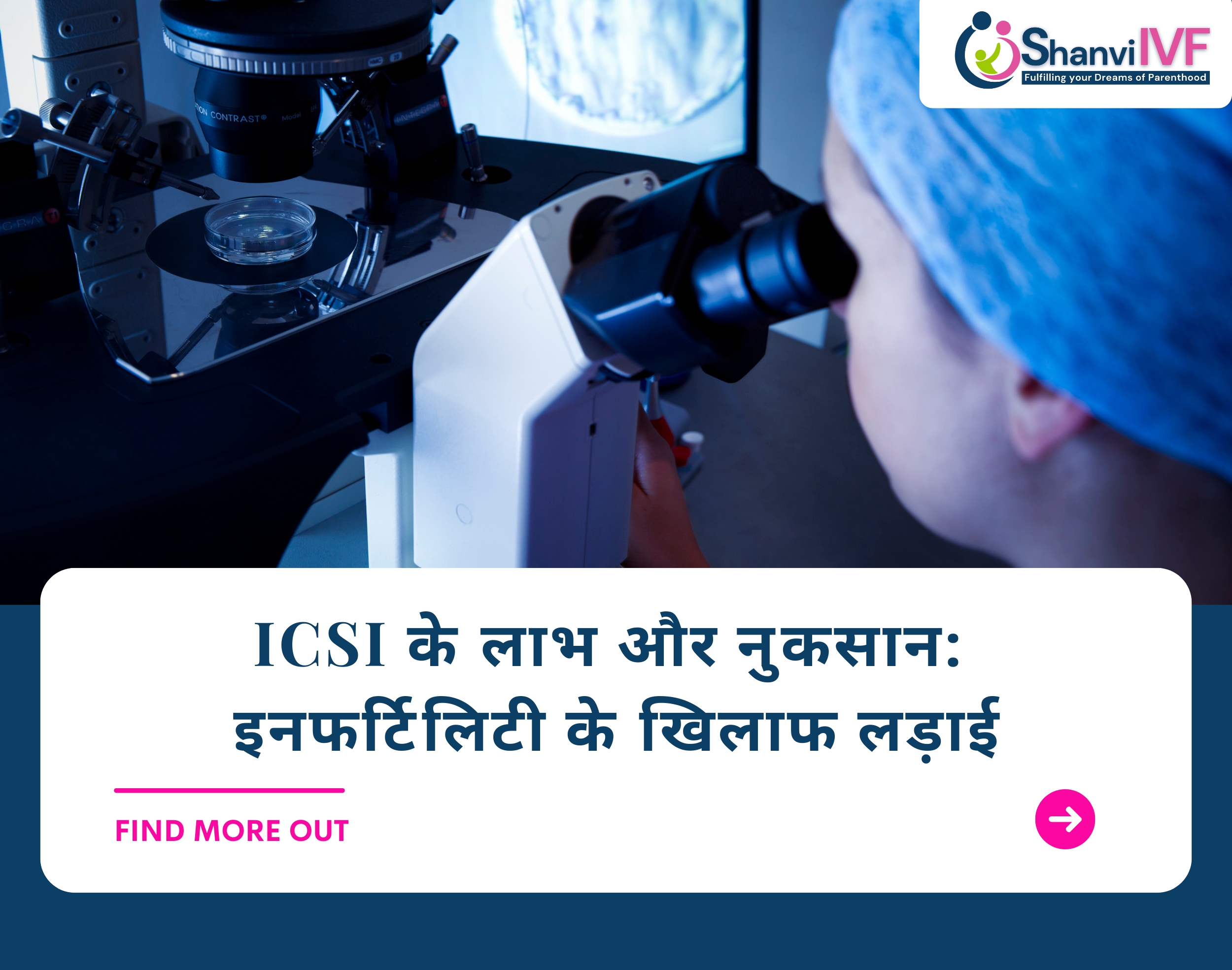
Male infertility is far more common than most people realize. One of the leading causes is low sperm count, a condition that significantly reduces the chances of natural conception and can also affect standard IVF outcomes. Fortunately, advancements in reproductive medicine—especially ICSI (Intracytoplasmic Sperm Injection)—have transformed success rates for couples facing male factor infertility.
If you or your partner has been diagnosed with low sperm count, this blog will help you understand how ICSI improves IVF success, who should consider it, and when it becomes the best treatment option.
Understanding Low Sperm Count
Low sperm count, medically known as oligospermia, means fewer sperm are present in the semen than normal. This reduces the probability of sperm reaching and fertilizing the egg naturally.
Common causes include:
- Hormonal imbalances
- Varicocele
- Genetic conditions
- Lifestyle factors (smoking, stress, obesity)
- Infections
- Environmental toxin exposure
👉 You may also read: Male Infertility Is More Common Than You Think
Why Low Sperm Count Affects IVF Outcomes?
In conventional IVF, thousands of sperm are placed around an egg, allowing fertilization to occur naturally. When sperm count or motility is very low, sperm may fail to penetrate the egg—even in a lab environment.
This can lead to:
- Poor fertilization
- Cycle cancellation
- Emotional distress
- Increased financial burden
That’s where ICSI becomes a game-changer.
What Is ICSI and How Does It Work?
ICSI (Intracytoplasmic Sperm Injection) is an advanced IVF technique in which a single, carefully selected sperm is directly injected into a mature egg using high-precision equipment.
Unlike conventional IVF, ICSI:
- Bypasses sperm count and motility issues
- Reduces fertilization failure
- Improves embryo formation
👉 For IVF basics, you can interlink: IVF Treatment: Process, Cost & Success Rate Explained
How ICSI Improves IVF Success in Low Sperm Count?
- Overcomes Fertilization Barriers
Even when sperm count is extremely low, ICSI requires only one healthy sperm per egg, dramatically increasing fertilization chances.
- Selects the Best Quality Sperm
Advanced sperm selection techniques help embryologists choose sperm with:
- Better morphology
- Higher genetic integrity
- Reduces IVF Failure Rates
Many couples with failed IVF cycles succeed after switching to IVF with ICSI, especially in unexplained fertilization failure cases.
- Works Even with Surgical Sperm Retrieval
ICSI is effective even when sperm are retrieved directly from the testes (TESA/PESA), making it ideal for severe male infertility.
- Improves Embryo Development
Better fertilization leads to stronger embryos and higher implantation potential.
Who Should Consider ICSI?
ICSI is recommended for:
- Very low sperm count
- Poor sperm motility or morphology
- High sperm DNA fragmentation
- Previous IVF fertilization failure
- Use of frozen or surgically retrieved sperm
ICSI vs Conventional IVF: Which Is Better?
ICSI does not replace IVF—it enhances it in selected cases. While conventional IVF works well for normal sperm parameters, ICSI significantly improves outcomes when male factors are present.
Your fertility specialist will decide based on:
- Semen analysis
- Female age
- Egg quality
- Previous treatment history
Success Rates with ICSI
ICSI fertilization rates range between 70–80% per cycle, depending on egg quality and laboratory expertise. However, pregnancy success also depends on:
- Female reproductive health
- Endometrial receptivity
- Embryo quality
This is why advanced labs and personalized protocols play a crucial role.
Why Expert Lab Matters in ICSI?
ICSI is a highly skilled procedure. Success depends on:
- Experienced embryologists
- Advanced micromanipulation equipment
- Strict lab quality control
At Shanvi IVF, our advanced embryology lab ensures precision, safety, and consistent outcomes for male infertility cases.
FAQs
- Can IVF work with low sperm count without ICSI?
In mild cases, yes. Severe cases usually require ICSI for successful fertilization.
- Is ICSI safe for babies?
Yes. ICSI is a well-established procedure with no increased risk when performed correctly.
- Does ICSI guarantee pregnancy?
No treatment guarantees pregnancy, but ICSI significantly improves fertilization chances.
- Can ICSI help after failed IVF cycles?
Yes. ICSI is commonly recommended after fertilization failure in conventional IVF.
- Is ICSI only for male infertility?
Primarily yes, but it’s also used in unexplained IVF failures.
- How is ICSI different from IVF?
IVF allows natural fertilization in the lab, while ICSI injects sperm directly into the egg.
Conclusion
Low sperm count does not mean the end of your parenthood journey. With ICSI, even severe male infertility can be overcome successfully. The key lies in early diagnosis, correct treatment selection, and expert laboratory support.
If you have faced IVF failure or have been diagnosed with low sperm count, ICSI may be the breakthrough solution you need.
👉 Consult Shanvi IVF for personalized male infertility evaluation.