


Blog
Myths About Polycystic Ovary Syndrome (PCOS): Separating Fact from Fiction

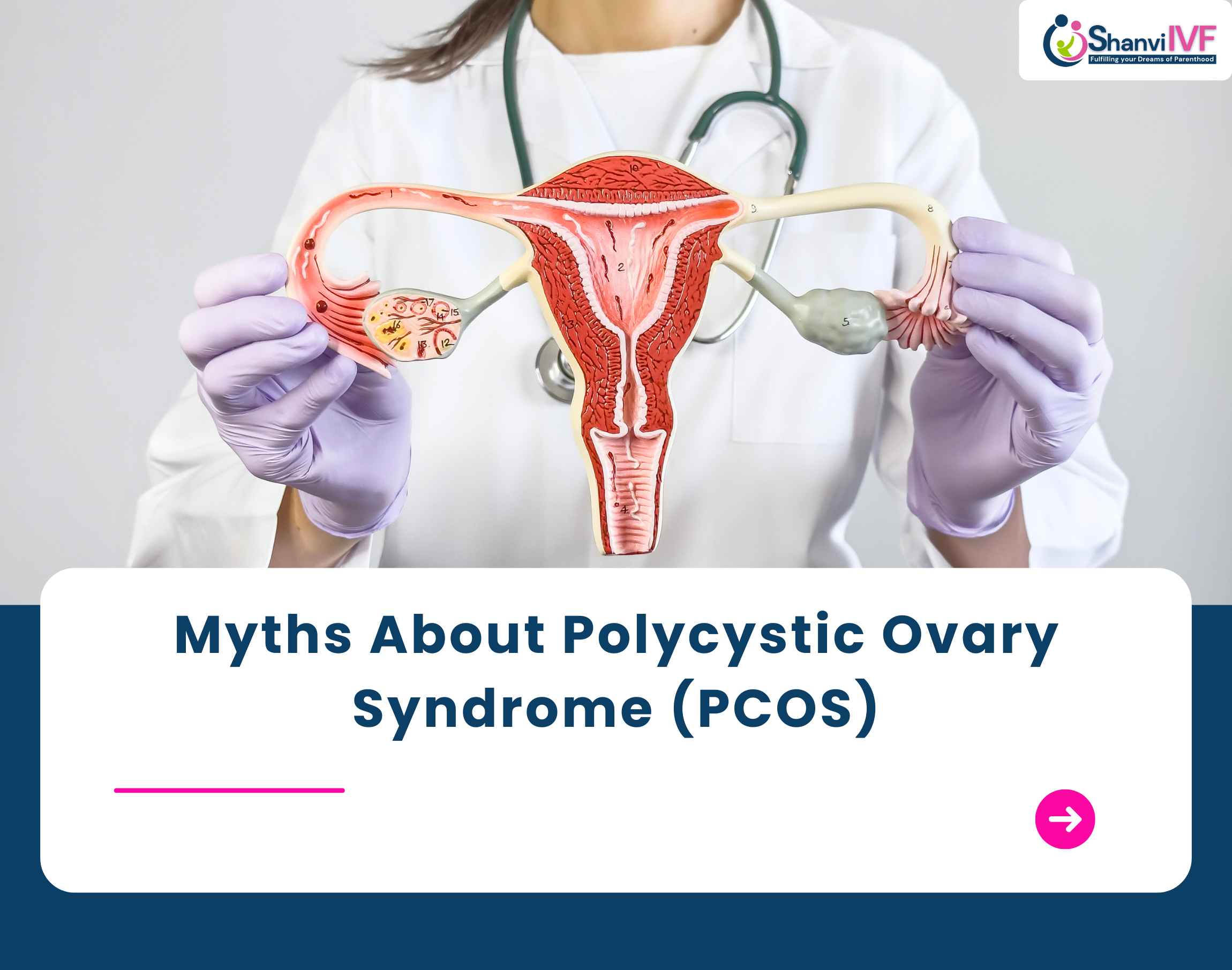
Polycystic Ovary Syndrome (PCOS) is one of the most common hormonal disorders affecting women of reproductive age. Despite its prevalence, there are countless myths and misconceptions about PCOS that can cause confusion, anxiety, and delays in seeking proper treatment.
This blog aims to debunk some of the most common myths surrounding PCOS and help women understand the condition better. If you’re seeking an IVF centre in Agra or looking for infertility treatment in Agra, having accurate knowledge about PCOS is the first step towards making informed decisions about your reproductive health.
What is PCOS?
PCOS is a hormonal disorder characterized by irregular periods, high levels of androgens (male hormones), and polycystic ovaries (enlarged ovaries with multiple small follicles). It can affect menstruation, fertility, appearance, and overall health.
Common Myths About PCOS
Myth 1: You can’t get pregnant if you have PCOS
Fact:
While PCOS can affect ovulation and make it more difficult to conceive naturally, it doesn’t mean pregnancy is impossible. Many women with PCOS conceive with the help of lifestyle changes, medications, or assisted reproductive technologies like IVF. Reputable clinics offering infertility treatment in Agra often help women with PCOS become mothers through personalized care and advanced fertility options.
Myth 2: PCOS only affects overweight women
Fact:
It’s true that weight gain is a common symptom of PCOS, but the condition can affect women of all body types. In fact, many lean women also suffer from PCOS. This myth often delays diagnosis in thinner women, as their symptoms may be overlooked or dismissed.
Myth 3: All women with PCOS have ovarian cysts
Fact:
Despite the name, not all women with PCOS develop ovarian cysts. The term “polycystic” refers to the appearance of the ovaries on an ultrasound, which may show multiple small follicles. These are not true cysts and may not be present in every woman diagnosed with PCOS.
Myth 4: PCOS is a rare condition
Fact:
PCOS is actually quite common, affecting 1 in 10 women of childbearing age globally. In India, the number is even higher due to lifestyle and dietary factors. Awareness and early diagnosis are essential to managing the condition effectively.
Myth 5: You did something to cause PCOS
Fact:
PCOS is not caused by something you did or didn’t do. It is believed to be a result of genetic and environmental factors. Women with a family history of PCOS or diabetes are more likely to develop the condition.
Myth 6: Birth control pills cure PCOS
Fact:
Birth control pills are often prescribed to regulate periods and reduce symptoms like acne or excessive hair growth, but they do not cure PCOS. They only manage the symptoms temporarily. Once the pills are stopped, symptoms may return.
Myth 7: PCOS is only a reproductive health issue
Fact:
While PCOS does affect fertility, its impact goes beyond reproduction. Women with PCOS are at a higher risk for developing type 2 diabetes, heart disease, high cholesterol, sleep apnea, and endometrial cancer. It’s a lifelong condition that needs holistic management.
Myth 8: If your periods are regular, you don’t have PCOS
Fact:
Some women with PCOS may still have seemingly regular periods, especially if they are on medication. Irregular periods are a common symptom, but not the only diagnostic criterion. Hormonal imbalances, insulin resistance, and ovarian morphology are also considered.
Myth 9: Losing weight will cure PCOS
Fact:
While losing weight can significantly improve symptoms, it doesn’t cure PCOS. Weight loss helps in improving insulin sensitivity and hormonal balance, but the underlying condition still needs to be managed with proper medical care and lifestyle changes.
Myth 10: PCOS doesn’t need treatment if you’re not trying to conceive
Fact:
Even if you’re not planning to get pregnant, PCOS still needs to be managed. Uncontrolled PCOS can lead to long-term complications like diabetes, hypertension, and endometrial issues. Early intervention is key to avoiding these risks.
The Role of IVF and Fertility Support in PCOS
For women struggling to conceive due to PCOS, fertility assistance can make a huge difference. Hormonal medications, ovulation induction, and in-vitro fertilization (IVF) are commonly used treatments.
At a trusted IVF centre in Agra, couples are guided through the entire fertility journey with customized treatment plans. These clinics offer advanced diagnostic tools, hormone therapies, and assisted reproductive technologies tailored to women with PCOS.
Lifestyle Management: A Critical Aspect
Lifestyle changes play a major role in managing PCOS symptoms:
-
Diet: A low-carb, high-fiber diet can help manage insulin levels.
-
Exercise: Regular workouts improve hormonal balance and weight control.
-
Stress Management: Chronic stress worsens hormonal imbalances. Techniques like yoga and meditation can help.
-
Sleep: Getting enough sleep is crucial for hormonal regulation.
Many clinics offering infertility treatment in Agra also provide nutritional counseling and lifestyle coaching to help women manage PCOS more holistically.
Frequently Asked Questions (FAQ)
Q1: Can PCOS be completely cured?
A: PCOS is a lifelong condition, but its symptoms can be managed effectively through lifestyle changes, medications, and regular monitoring.
Q2: How is PCOS diagnosed?
A: Diagnosis typically involves a combination of medical history, physical exams, blood tests to check hormone levels, and ultrasound imaging of the ovaries.
Q3: Does PCOS mean I’ll never have children?
A: Not at all. Many women with PCOS conceive naturally, while others benefit from fertility treatments such as ovulation induction or IVF.
Q4: Are irregular periods the only symptom of PCOS?
A: No. Other symptoms include acne, weight gain, excessive hair growth, and mood changes. Some women may have normal periods but still show other signs.
Q5: Where can I find help for PCOS and infertility?
A: If you’re in Uttar Pradesh, an IVF centre in Agra can provide comprehensive diagnosis and treatment options, including specialized care for PCOS-related infertility.
Final Thoughts
PCOS can be a confusing and overwhelming diagnosis, but it doesn’t define your health or your future. With accurate information, proper medical support, and healthy lifestyle changes, managing PCOS is entirely possible.
Don’t let the myths hold you back. If you or someone you know is experiencing symptoms of PCOS or struggling with infertility, consider reaching out to a leading IVF centre in Agra. With the right care, you can take control of your reproductive health and move confidently toward your goals.


