Blog
Frozen Embryo Transfer (FET): Why the Right Timing Can Improve Your Chances of Pregnancy


When it comes to fertility treatment, success is not only about creating healthy embryos—it is also about transferring them at the right time. This is where Frozen Embryo Transfer (FET) plays an important role in modern IVF treatment.
Advancements in reproductive medicine have made it possible to safely freeze embryos and transfer them when the body is best prepared for pregnancy. For many patients, this approach can improve implantation rates and increase the chances of a successful pregnancy.
What Is Frozen Embryo Transfer (FET)?
Frozen Embryo Transfer, commonly known as FET, is a procedure in which embryos created during an IVF cycle are frozen and stored for future use. Instead of transferring the embryo immediately after fertilization, doctors wait until the uterus is in the most suitable condition before performing the transfer.
Using advanced cryopreservation techniques such as vitrification, embryos can be preserved safely without compromising their quality. When the patient is ready, the embryo is thawed and transferred into the uterus.
Why Timing Matters in IVF
A successful pregnancy depends on several factors, but one of the most important is the synchronization between embryo development and the uterine lining.
Sometimes, the body may not be in its optimal state immediately after egg retrieval. Hormonal changes, medication effects, or a thin uterine lining can reduce the chances of successful implantation.
By freezing embryos and transferring them in a later cycle, fertility specialists can:
- Allow hormone levels to stabilize
- Improve endometrial (uterine lining) preparation
- Reduce stress on the body
- Create a more natural environment for implantation
This strategic approach often gives the embryo the best opportunity to implant and grow successfully.
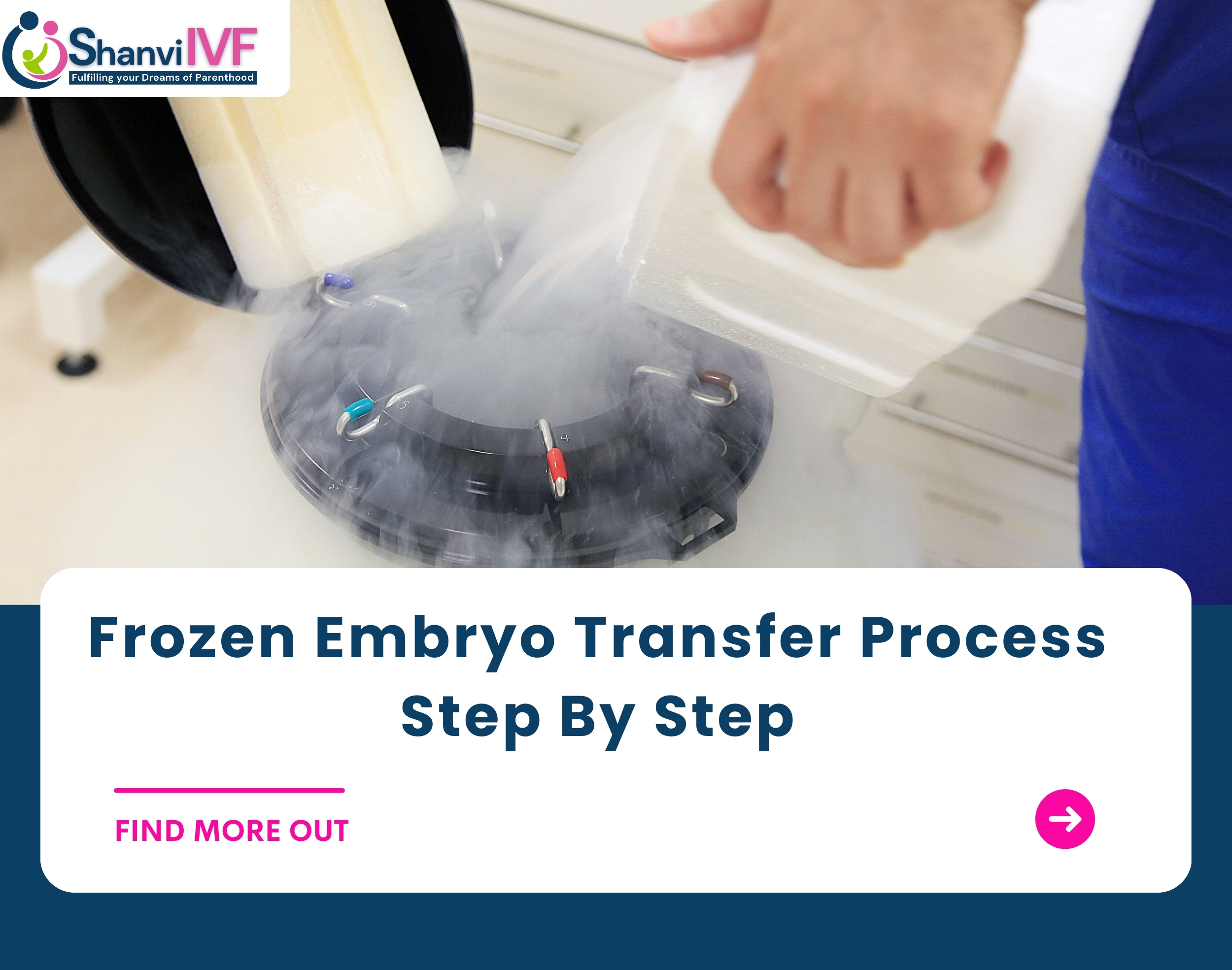
You can read the step by step procedure of Frozen Embryo Transfer
Benefits of Frozen Embryo Transfer
1. Better Uterine Preparation
One of the biggest advantages of FET is that it allows doctors to prepare the uterine lining carefully before transfer. A receptive uterine environment is essential for implantation.
2. Reduced Hormonal Impact
During a fresh IVF cycle, hormone levels can become significantly elevated. Waiting for a future cycle allows the body to return to a more balanced state.
3. Increased Flexibility
Patients have more time to recover physically and emotionally before undergoing embryo transfer.
4. Improved Pregnancy Outcomes
For certain patients, studies have shown that FET can result in pregnancy rates comparable to or even higher than fresh embryo transfers when performed under optimal conditions.
When Is Frozen Embryo Transfer Recommended?
Your fertility specialist may recommend FET in the following situations:
- Elevated hormone levels after egg retrieval
- Risk of Ovarian Hyperstimulation Syndrome (OHSS)
- Need for genetic testing of embryos
- Thin or poorly developed uterine lining
- Medical conditions requiring treatment before pregnancy
- Fertility preservation for future family planning
Every patient is unique, which is why treatment recommendations are personalized according to individual health and fertility factors.
The Frozen Embryo Transfer Process
The FET process typically involves the following steps:
Step 1: Embryo Freezing
Healthy embryos created during IVF are frozen using advanced vitrification techniques.
Step 2: Endometrial Preparation
The uterine lining is prepared through medication or a natural cycle approach to create ideal implantation conditions.
Step 3: Embryo Thawing
The selected embryo is carefully thawed before transfer.
Step 4: Embryo Transfer
The embryo is placed into the uterus through a simple and minimally invasive procedure.
Step 5: Pregnancy Test
A blood test is usually performed approximately 10–14 days after transfer to determine whether implantation has occurred.
Factors That Influence FET Success
Although timing is important, several factors contribute to the success of Frozen Embryo Transfer:
- Maternal age
- Embryo quality
- Uterine lining thickness
- Overall reproductive health
- Lifestyle habits
- Expertise of the fertility team
Maintaining a healthy lifestyle, following medical advice, and attending regular appointments can help optimize outcomes.
Related Fertility Topics
To better understand your fertility journey, you may also find these topics helpful:
- IVF Treatment Process: Step-by-Step Guide
- Understanding Female Infertility Causes
- Fertility Preservation and Egg Freezing
- How to Improve IVF Success Rates
- PCOS and Fertility Treatment Options
Conclusion
Frozen Embryo Transfer has transformed modern fertility treatment by allowing specialists to focus on one critical factor—timing. Instead of rushing the transfer process, FET provides the opportunity to create the most favorable environment for implantation and pregnancy.
For many individuals and couples, this approach offers greater flexibility, personalized care, and potentially improved outcomes. If you are considering IVF or have embryos available for transfer, discussing Frozen Embryo Transfer with your fertility specialist can help determine the best strategy for your parenthood journey.
Frequently Asked Questions (FAQs)
1. What is the difference between fresh and frozen embryo transfer?
Fresh embryo transfer occurs in the same IVF cycle as egg retrieval, while frozen embryo transfer is performed in a later cycle after embryos have been frozen and stored.
2. Is Frozen Embryo Transfer more successful than fresh embryo transfer?
Success rates vary by patient, but many fertility specialists recommend FET because it allows better uterine preparation and hormonal balance.
3. How long can frozen embryos be stored?
Frozen embryos can remain safely preserved for many years using advanced cryopreservation techniques.
4. Is the embryo transfer procedure painful?
Embryo transfer is generally quick, minimally invasive, and usually does not require anesthesia.
5. How soon can I take a pregnancy test after FET?
Most clinics recommend a blood pregnancy test approximately 10–14 days after embryo transfer.
6. Who is an ideal candidate for Frozen Embryo Transfer?
FET may be recommended for patients with high hormone levels, those undergoing genetic testing, individuals at risk of OHSS, or anyone whose uterine environment requires additional preparation before transfer.