


Blog
Premature Ovarian Insufficiency vs. Early Menopause: Key Differences Explained

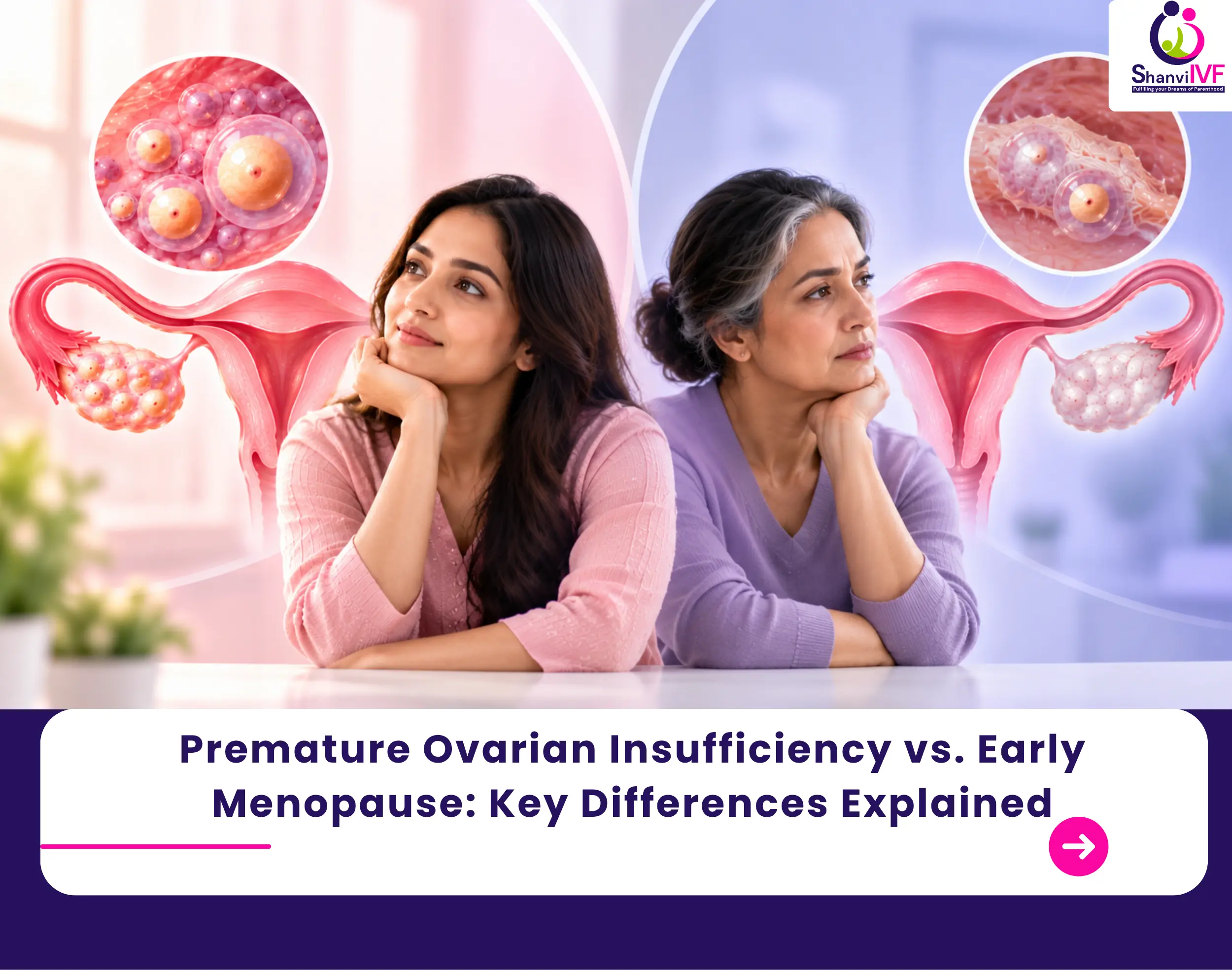
Women may experience irregular periods, hormonal changes, and fertility concerns earlier than expected. Two conditions that can cause these changes are premature ovarian insufficiency (POI) and early menopause. Although they share several symptoms, they are not exactly the same. Understanding the difference can help women seek timely medical advice, understand their reproductive health, and explore suitable treatment options.
For women planning a pregnancy, recognizing these conditions early is particularly important. Hormonal changes can affect ovulation, menstrual cycles, and fertility, but the impact varies from person to person.
What Is Premature Ovarian Insufficiency (POI)?
Premature ovarian insufficiency is a condition in which the ovaries lose their normal function before the age of 40. The ovaries may produce less estrogen and release eggs irregularly, which can lead to missed periods and difficulty conceiving.
POI was previously referred to as premature ovarian failure. However, the term ovarian insufficiency is more accurate because ovarian activity may continue intermittently. Some women with POI still experience occasional periods and may become pregnant naturally, although conception can be challenging.
The exact cause is not always identified. Possible factors include genetic conditions, autoimmune disorders, a family history of early menopause, chemotherapy, and radiation treatment.
What Is Early Menopause?
Early menopause occurs when a woman experiences menopause between the ages of 40 and 44. Menopause before the age of 40 is generally described as premature menopause, although the terminology may vary across medical guidelines.
Menopause is usually confirmed after 12 consecutive months without a menstrual period when there is no other explanation. During this process, ovarian hormone production declines, and the release of eggs eventually stops.
Early menopause may occur naturally or result from medical treatments, such as chemotherapy or surgery to remove both ovaries. It can affect menstrual health, fertility, bone strength, and overall well-being.
Key Differences Between POI and Early Menopause
Although the symptoms can overlap, the main difference is how ovarian function changes and whether intermittent ovarian activity remains possible.
| Feature | Premature Ovarian Insufficiency | Early Menopause |
|---|---|---|
| Typical age | Before 40 years | Between 40 and 44 years |
| Ovarian function | Reduced or intermittent function | Ovarian function has ceased |
| Menstrual periods | Irregular, absent, or occasionally present | Periods stop permanently |
| Natural pregnancy | Still possible in some cases | Natural conception is generally no longer possible after confirmed menopause |
| Hormonal changes | Often lower estrogen levels | Lower estrogen levels |
| Diagnosis | Menstrual history and hormone testing | Menstrual history and clinical assessment, with testing when indicated |
| Management | Hormone therapy, health monitoring, and fertility counselling | Symptom management, hormone therapy when appropriate, and long-term health monitoring |
Common Symptoms of POI and Early Menopause
Both conditions can cause similar symptoms because they involve changes in estrogen and other reproductive hormones. However, not every woman experiences the same symptoms or severity.
Common symptoms include:
- Irregular, missed, or absent menstrual periods
- Hot flashes and night sweats
- Vaginal dryness or discomfort during intercourse
- Difficulty sleeping or persistent tiredness
- Mood changes, anxiety, or irritability
- Reduced sexual desire
- Difficulty becoming pregnant
- Problems with concentration or memory
Some women notice changes in their menstrual cycles first, while others seek medical advice because of fertility difficulties. If these symptoms develop before the age of 45, especially before 40, a medical assessment can help identify the underlying cause.
How Are POI and Early Menopause Diagnosed?
Diagnosis involves reviewing menstrual patterns, symptoms, medical history, and relevant test results. A doctor may ask about family history, previous ovarian surgery, cancer treatment, medications, and pregnancy plans.
For suspected POI, blood tests measuring follicle-stimulating hormone (FSH) are important. Depending on the clinical situation, the doctor may also assess estradiol levels, thyroid function, or other possible causes of menstrual irregularities. Pregnancy should be ruled out when appropriate.
An anti-Müllerian hormone (AMH) test may provide information about ovarian reserve, but it should not be used alone to diagnose POI. Ultrasound may be recommended in selected cases.
Early menopause is assessed using the woman’s age, symptoms, menstrual history, and tests when indicated. A healthcare professional should interpret these findings together rather than relying on a single test.
Can POI or Early Menopause Affect Fertility?
Yes. Both conditions can affect fertility, but the effect differs.
Women with POI may continue to have intermittent ovarian activity, which means natural pregnancy can occasionally occur. However, egg release may be unpredictable, and fertility can be significantly reduced.
With confirmed early menopause, natural conception using the woman’s own eggs is generally no longer possible because ovarian activity has ceased. Depending on the individual circumstances, fertility treatment using previously frozen eggs or embryos, or donor eggs, may be discussed.
Women concerned about their reproductive future should seek fertility counselling as early as possible. A specialist can review ovarian function, discuss available options, and explain realistic treatment expectations.
For women researching fertility care, learning about IVF treatment in Agra can be a useful starting point for understanding assisted reproductive treatment.
Treatment Options for POI and Early Menopause
Treatment depends on the diagnosis, symptoms, medical history, and whether pregnancy is desired.
1. Hormone Replacement Therapy
Hormone replacement therapy (HRT) may be recommended to replace missing hormones, manage symptoms, and help protect bone health. For women with POI or early menopause, treatment is often considered until around the usual age of natural menopause, unless a medical reason makes it unsuitable.
The type, dose, and duration of treatment should be decided with a qualified healthcare professional.
2. Fertility Evaluation and Counselling
Women who wish to conceive may benefit from an early fertility assessment. Depending on ovarian function and individual circumstances, options may include fertility treatment, IVF, or donor eggs. The likelihood of success varies, and no treatment can guarantee pregnancy.
3. Bone and Heart Health
Low estrogen levels over an extended period can increase the risk of bone loss and may affect cardiovascular health. A doctor may recommend appropriate exercise, a balanced diet, adequate calcium and vitamin D, avoiding smoking, and monitoring based on individual risk.
4. Emotional Support and Follow-Up
A diagnosis involving reduced fertility or early hormonal changes can be emotionally challenging. Counselling, support from loved ones, and regular follow-up appointments can help women manage symptoms and make informed decisions about their health.
When Should You Consult a Gynecologist?
Do not ignore persistent menstrual irregularities, especially if periods become infrequent or stop before the age of 40. Hot flashes, vaginal dryness, or difficulty conceiving at a younger age may also require evaluation.
Consulting the best gynecologist in Agra can help you understand your symptoms, receive appropriate testing, and discuss a personalized treatment plan. If you are experiencing fertility difficulties, an Infertility Clinic in Agra can help you explore reproductive health assessments and possible fertility treatments.
Early evaluation is valuable because it can help identify the cause of hormonal changes, address symptoms, and support informed decisions about future pregnancy.
Frequently Asked Questions
1. Is premature ovarian insufficiency the same as early menopause?
No. POI occurs before the age of 40 and may involve intermittent ovarian activity. Early menopause generally occurs between 40 and 44 years, with permanent cessation of menstrual periods.
2. Can women with POI get pregnant naturally?
Yes, natural pregnancy is occasionally possible because ovarian activity may continue intermittently. However, fertility is reduced, and the likelihood of pregnancy varies from person to person.
3. What are the first signs of premature ovarian insufficiency?
The first signs may include irregular periods, missed periods, hot flashes, night sweats, vaginal dryness, or difficulty conceiving. Some women have few noticeable symptoms.
4. Which tests are used to diagnose POI?
Doctors commonly use menstrual history and FSH blood testing. Estradiol, pregnancy testing, thyroid assessment, and other investigations may be considered depending on the symptoms and clinical findings. AMH alone cannot confirm the diagnosis.
5. Can POI be reversed?
There is currently no established treatment that reliably restores normal ovarian function in women with POI. Treatment can help manage symptoms, protect long-term health, and address fertility concerns.
6. Does early menopause mean I cannot have a baby?
After confirmed natural menopause, pregnancy using the woman’s own eggs is generally no longer possible. However, options such as IVF using previously frozen eggs or embryos, or donor eggs, may be considered with specialist guidance.
7. Is hormone replacement therapy necessary for POI?
Hormone therapy is generally recommended for women with POI who do not have contraindications, even when symptoms are mild, because it can help protect bone health and replace missing hormones. Treatment should be individualized by a doctor.
8. When should I visit an infertility specialist?
Seek advice if you have persistent irregular or absent periods, suspect POI, or are trying to conceive without success. Earlier assessment is especially important when ovarian function may be declining.
Conclusion
Premature ovarian insufficiency and early menopause share several symptoms, but they differ in age of onset and the possibility of continued ovarian activity. Both conditions deserve timely medical attention because they can affect fertility, hormonal health, and long-term well-being.
Understanding the differences, receiving an accurate diagnosis, and discussing appropriate treatment with a qualified specialist can help women make informed decisions about their reproductive health and future family plans.


