Blog
Hysteroscopy Before IVF: Why It’s Recommended, What It Detects & What to Expect

Preparing for IVF involves more than assessing egg quality and sperm health. The condition of the uterus also plays an important role in embryo implantation and pregnancy. In some cases, a fertility specialist may recommend hysteroscopy before IVF to examine the uterine cavity and identify abnormalities that could affect treatment.
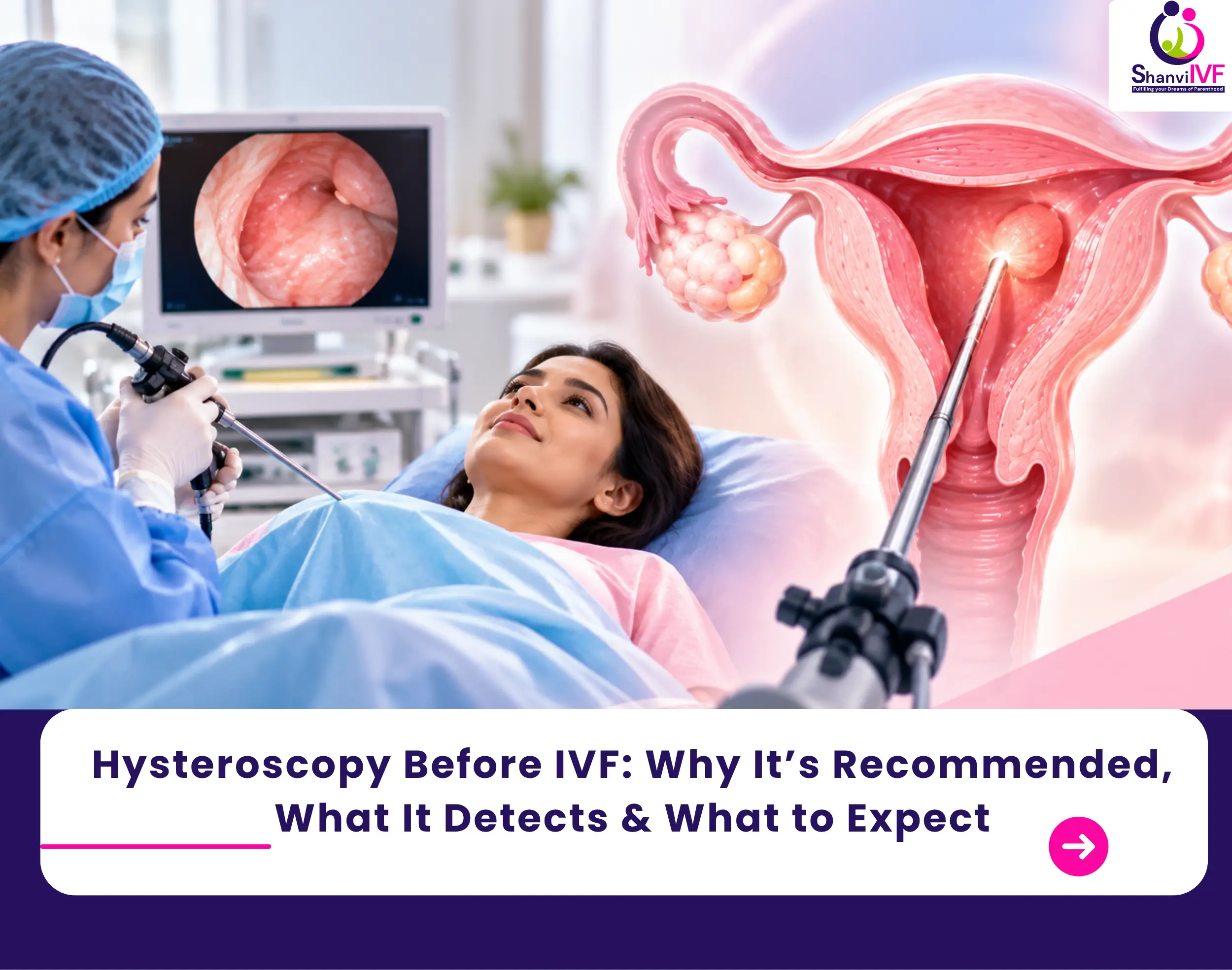
Hysteroscopy is a procedure that allows a doctor to view the inside of the uterus using a thin instrument with a camera and light. It can help detect certain uterine problems and, when necessary, allow treatment during the same procedure. However, hysteroscopy is not required before every IVF cycle. Its usefulness depends on a woman’s symptoms, medical history, ultrasound findings, and previous fertility treatment outcomes.
What Is Hysteroscopy?
Hysteroscopy is a gynecological procedure used to examine the inside of the uterus. A thin instrument called a hysteroscope is gently passed through the vagina and cervix into the uterus. The doctor then uses the camera to inspect the uterine cavity for abnormalities.
Unlike abdominal surgery, hysteroscopy usually does not require external incisions. Depending on the reason for the procedure, it may be performed as a diagnostic examination or as an operative procedure to treat certain problems.
Women considering hysteroscopy surgery in Agra may benefit from understanding how the procedure can help identify uterine conditions before fertility treatment. The recommendation should always be based on individual clinical findings rather than performed routinely without a clear reason.
Why Is Hysteroscopy Recommended Before IVF?
IVF involves fertilizing an egg with sperm in a laboratory and transferring an embryo into the uterus. For implantation to occur, the uterine environment must be suitable for the developing embryo.
Although ultrasound can provide useful information about the uterus, some abnormalities inside the uterine cavity may require closer examination. Hysteroscopy allows the specialist to inspect the cavity directly and investigate suspected problems.
A doctor may recommend hysteroscopy before IVF for the following reasons:
- Abnormalities detected during an ultrasound examination.
- Repeated implantation failure after previous embryo transfers.
- Recurrent pregnancy loss when a uterine abnormality is suspected.
- Unexplained abnormal uterine bleeding.
- A history of uterine surgery or suspected adhesions.
- Suspected polyps or submucosal fibroids that may affect the uterine cavity.
Routine hysteroscopy is not necessary for every woman with normal imaging and no relevant symptoms. Research has not established a consistent improvement in IVF outcomes from performing it routinely in all patients.
What Can Hysteroscopy Detect Before IVF?
Hysteroscopy helps identify several conditions that may interfere with the uterine cavity or require treatment before embryo transfer.
1. Endometrial Polyps
Endometrial polyps are small growths of tissue that develop in the lining of the uterus. Some polyps may contribute to abnormal bleeding or affect the uterine environment.
If a polyp is found and considered clinically significant, the doctor may recommend removing it before proceeding with IVF. The decision depends on its size, location, symptoms, and the individual’s treatment plan.
2. Uterine Fibroids
Fibroids are noncancerous growths that develop in or around the uterus. Submucosal fibroids, which project into the uterine cavity, can sometimes interfere with implantation.
Hysteroscopy may allow a doctor to assess and remove suitable submucosal fibroids. Fibroids located outside the uterine cavity generally require different assessment and may not be treatable through hysteroscopy.
3. Intrauterine Adhesions
Intrauterine adhesions are bands of scar tissue that form inside the uterus. They can develop after certain uterine procedures, infections, or pregnancy-related complications.
Adhesions may distort the uterine cavity and affect menstrual flow or fertility. In selected cases, hysteroscopy can be used to identify and release these adhesions.
4. Uterine Septum or Structural Abnormalities
Some women have congenital differences in the shape of the uterus, such as a uterine septum. These abnormalities may require additional imaging and specialist assessment.
Hysteroscopy can help examine the uterine cavity, although it may need to be combined with ultrasound or other imaging to understand the uterus’s overall shape. Treatment is considered according to the specific abnormality and clinical circumstances.
5. Suspected Endometrial Inflammation
In selected patients, a doctor may investigate suspected chronic endometritis, a condition involving persistent inflammation of the uterine lining. Hysteroscopy may show suggestive findings, but visual examination alone cannot reliably confirm the diagnosis. A tissue sample and laboratory assessment may be needed.
Treatment depends on the confirmed diagnosis and should not be prescribed solely because of nonspecific hysteroscopic findings.
What Happens During Hysteroscopy Before IVF?
The procedure generally involves several steps, although the exact process depends on whether the doctor is performing a diagnostic examination or treating an identified problem.
Before the procedure: The doctor reviews your medical history, symptoms, ultrasound findings, and medications. You may receive instructions about pain relief, fasting, or anesthesia depending on the planned procedure.
During the procedure: The hysteroscope is gently passed through the cervix into the uterus. Fluid is used to expand the uterine cavity so the doctor can examine its lining. If an abnormality is found, the doctor may take a sample or perform a planned treatment if appropriate.
After the procedure: Many diagnostic procedures are completed within a short period, and patients can often return home the same day. Mild cramping and light spotting may occur for a few days. Recovery may take longer after operative hysteroscopy.
The doctor will explain the findings, whether any treatment was performed, and when it is appropriate to continue fertility treatment.
Is Hysteroscopy Painful?
The level of discomfort varies from person to person. Some women experience mild menstrual-like cramps, while others may find the procedure more uncomfortable.
Pain relief options depend on the type of hysteroscopy, individual medical needs, and the clinical setting. Diagnostic hysteroscopy may be performed without general anesthesia, while operative hysteroscopy may require local, regional, or general anesthesia.
Discuss any concerns about pain, previous difficult examinations, or anxiety with your doctor before the procedure so that appropriate arrangements can be made.
How Long After Hysteroscopy Can IVF Begin?
The timing of IVF after hysteroscopy depends on what was found and whether treatment was performed. After an uncomplicated diagnostic examination, the next stage of fertility treatment may be possible relatively soon.
If the doctor removes a polyp, treats adhesions, or performs another operative procedure, additional healing time may be necessary. The specialist will also consider bleeding, the recovery of the uterine lining, and any pathology results.
There is no single waiting period that applies to every patient. Your IVF schedule should be based on your recovery and the findings from the procedure.
Are There Any Risks Associated With Hysteroscopy?
Hysteroscopy is generally considered a safe procedure when performed by a qualified clinician. However, possible complications include infection, bleeding, injury to the uterus or cervix, and complications related to the fluid used during the procedure. The risks vary depending on the type and complexity of the procedure.
Contact your healthcare provider if you experience fever, severe or worsening abdominal pain, heavy bleeding, or unusual discharge after hysteroscopy. These symptoms require medical assessment.
Choosing the Right Fertility Care Before IVF
A thorough fertility assessment helps determine whether hysteroscopy is likely to provide useful information or treatment before embryo transfer. The doctor may review previous IVF outcomes, ultrasound reports, menstrual history, and any symptoms suggesting a uterine problem.
Women looking for an IVF centre in Agra should discuss whether hysteroscopy is appropriate for their circumstances, what the procedure may detect, and how the findings could influence their treatment plan.
At Shanvi IVF, patients can discuss their uterine health and fertility concerns with a specialist and understand the potential role of hysteroscopy surgery in Agra alongside IVF treatment in Agra. Individualized assessment helps ensure that investigations and procedures are recommended for a clear clinical reason.
Frequently Asked Questions
1. Is hysteroscopy necessary before every IVF cycle?
No. Hysteroscopy is not routinely necessary for every patient before IVF. It is generally considered when symptoms, imaging findings, or previous fertility outcomes suggest a problem inside the uterine cavity.
2. Can hysteroscopy improve IVF success rates?
It may help when a clinically significant uterine abnormality is identified and appropriately treated. However, performing hysteroscopy routinely in women with normal uterine assessments has not consistently been shown to improve IVF success rates.
3. Can polyps be removed during hysteroscopy?
Yes. Many endometrial polyps can be removed during operative hysteroscopy. The doctor determines whether removal is appropriate based on the polyp’s characteristics and the patient’s clinical situation.
4. Does hysteroscopy affect the uterine lining?
Hysteroscopy allows the doctor to examine the uterine cavity. Diagnostic procedures generally involve minimal tissue disruption, while operative procedures may involve removing tissue or releasing adhesions. The recovery period depends on the treatment performed.
5. How many days of rest are needed after hysteroscopy?
Many women return to their usual activities within a day or two after an uncomplicated diagnostic procedure. Recovery can take longer after operative hysteroscopy. Follow your doctor’s instructions regarding exercise, intercourse, and other activities.
6. Can hysteroscopy detect all causes of infertility?
No. Hysteroscopy examines the inside of the uterus but cannot identify every cause of infertility. Other investigations may be needed to assess ovulation, ovarian reserve, fallopian tubes, and sperm health.
7. When can embryo transfer take place after hysteroscopy?
Embryo transfer may proceed after an uncomplicated diagnostic procedure once the specialist considers it appropriate. If treatment was performed, the timing depends on healing, test results, and the IVF plan.
8. Is hysteroscopy better than ultrasound before IVF?
The procedures serve different purposes. Ultrasound is useful for assessing the uterus, ovaries, and other pelvic structures. Hysteroscopy allows direct examination of the uterine cavity and can sometimes treat abnormalities during the same procedure. The doctor decides which investigation is appropriate.
Conclusion
Hysteroscopy can be a valuable investigation before IVF when a uterine cavity problem is suspected. It can help identify polyps, certain fibroids, adhesions, and other abnormalities that may require treatment before embryo transfer.
However, it is not a mandatory step for every IVF patient. Understanding your medical history, reviewing appropriate investigations, and discussing the benefits and risks with a fertility specialist can help you decide whether hysteroscopy belongs in your treatment plan.